Torquato Tasso

Torquato Tasso (March 11 1544 – April 25 1595) was an Italian epic poet and dramatist, best known for his Rinaldo (1562), Aminta (1573) and Gerusalemme Liberata (1580).
Quotes[edit]

She flees, and fleeing wants to be caught;
she denies, and denying wants to be carried off;
she fights, and fighting wishes to be vanquished.

- Vaghe Ninfe del Po, Ninfe sorelle,
E voi de' boschi e voi d'onda marina
E voi de' fonti e de l'alpestri cime.- Lovely Nymphs, ye sister Nymphs of the river Po,
And ye from out the greenwood and where the sea-waves beat,
And ye who live by fountains and on hill-tops high. - Rime d'amore ("Rhymes of Love"), 175.
- Lovely Nymphs, ye sister Nymphs of the river Po,
Aminta (1573)[edit]
- Ovunque i mi sia, io sono Amore.
Ne'pastori non men, che ne gli heroi;
E la disagguaglianza de'soggetti,
Come à me piace, agguaglio.- Wherever I am, I am Love, no less
among these shepherds than with nobility.
And inequalities of subjects to my rule
I balance as I please.- Prologue
- Wherever I am, I am Love, no less
- Forse, se tu gustassi anco una volta
La millesima parte de la gioie
Che gusta un cor amato riamando,
Diresti, ripentita, sospirando:
Perduto è tutto il tempo
Che in amar non si spende.- Thus if just once you tasted
the thousandth part of joy's flavor,
savor from a loving and beloved heart,
repentently you'd say:
"Lost is all that time
I didn't spend in love!"- Act I, scene i, lines 26–31.
- Variant translations:
- Thus if just once you tasted
- S'ei piace, ei lice
- What you wish, you may.
- Act I, Chorus.
- What you wish, you may.
- Femina, cosa mobil per natura,
Più che fraschetta al vento, e più che cima
Di pieghevole spica.
- Tu prima, Onor, velasti
La fonte dei diletti,
Negando l'onde a l'amorosa sete.- You, Honor, you first veiled
The fountains of delight,
Denying those waves to the thirsting lovers.- Act I, Choro, line 358.
- You, Honor, you first veiled
- Veramente il secol d'oro è questo,
Poiché sol vince l'oro, e regna l'oro.- This is truly the age of gold,
since only gold wins and gold reigns.- Act II, scene i.
- This is truly the age of gold,
- Amor servo de l'oro, è il maggior mostro,
Et il più abominabile, e il più sozzo,
Che produca la terra, o 'l mar frà l'onde.- Love the servant of gold is the greatest,
foulest, most abominable monster
created on earth or amid the sea's waves.- Act II, scene i.
- Love the servant of gold is the greatest,
- Il mondo invecchia,
E invecchiando intristisce.- The world grows old,
and growing old, withers away.- Act II, scene ii.
- The world grows old,
- Hor, non sai tu, com'è fatta la donna?
Fugge, e fuggendo vuol, che altri la giunga;
Niega, e negando vuol, ch'altri si toglia;
Pugna, e pugnando vuol, ch'altri la vinca.- Now don't you know how woman is made?
She flees, and fleeing wants to be caught;
she denies, and denying wants to be carried off;
she fights, and fighting wishes to be vanquished.- Act II, scene ii.
- Now don't you know how woman is made?
- O che gentile
Scongiuro hà ritrovato questo sciocco
Di rammentarmi la mia giovanezza,
Il ben passato, e la presente noia.- Oh, such a gentle entreaty
this fool has found,
reminding me of my youth,
of pleasures past and present woes!- Act II, scene ii.
- Oh, such a gentle entreaty
- Amor nascente hà corte l'ali, à pena
Può sù tenerle, e non le spiega à volo.- Newborn Love has short wings. He can scarcely
hold them up, and does not spread them out to fly.- Act II, scene ii.
- Newborn Love has short wings. He can scarcely
- Amor, leggan pur gli altri
Le Socratiche carte,
Ch'io in due begl'occhi apprenderò quest'arte.- Love, let others read
The Socratic papers,
While in two beautiful eyes I will apprehend this art.- Act II, Chorus.
- Love, let others read
- Dispietata pietate
Fù la tua veramente, ò Dafne, allhora,
Che ritenesti il dardo.- Oh Dafne,
you truly had pitiless pity
when you stayed my dart.- Act III, scene ii.
- Oh Dafne,
- Non bisogna la morte,
Ch'astringer nobil cuore,
Prima basta la fede, e poi l'amore.- No need for death,
For to wring two hearts
First faith sufficed and then love.- Act III, Chorus.
- No need for death,
- La pietà messaggiera è de l'Amore,
Come'l lampo del tuon.- Pity is the messenger of Love
as lightning is of thunder.- Act IV, scene i.
- Pity is the messenger of Love
- La vergogna ritien debile amore;
Ma debil freno è di potente Amore- Modesty restrains weak love,
but it is a weak bridle to powerful love.- Act V, scene i.
- Modesty restrains weak love,
Gerusalemme Liberata (1581)[edit]

That the great sepulchre of Christ did free,
I sing.
- Canto l'arme pietose e 'l capitano
che 'l gran sepolcro liberò di Cristo.
Molto egli oprò col senno, e con la mano;
Molto soffrì nel glorioso acquisto:
E invan l'Inferno a lui s'oppose; e invano
s'armò d'Asia e di Libia il popol misto:
Chè 'l Ciel gli diè favore, e sotto ai santi
Segni ridusse i suoi compagni erranti.- The sacred armies, and the godly knight,
That the great sepulchre of Christ did free,
I sing; much wrought his valor and foresight,
And in that glorious war much suffered he;
In vain 'gainst him did Hell oppose her might,
In vain the Turks and Morians armed be:
His soldiers wild, to brawls and mutinies prest,
Reduced he to peace, so Heaven him blest.- Canto I, stanza 1 (tr. Edward Fairfax)
- The sacred armies, and the godly knight,
- O Musa, tu, che di caduchi allori
Non circondi la fronte in Elicona,
Ma su nel Cielo infra i beati cori
Hai di stelle immortali aurea corona;
Tu spira al petto mio celesti ardori,
Tu rischiara il mio canto, e tu perdona
S'intesso fregj al ver, s'adorno in parte
D'altri diletti, che de' tuoi le carte.- O heavenly Muse, that not with fading bays
Deckest thy brow by the Heliconian spring,
But sittest crowned with stars' immortal rays
In Heaven, where legions of bright angels sing;
Inspire life in my wit, my thoughts upraise,
My verse ennoble, and forgive the thing,
If fictions light I mix with truth divine,
And fill these lines with other praise than thine.- Canto I, stanza 2 (tr. Edward Fairfax)
- O heavenly Muse, that not with fading bays
- Là corre il mondo, ove più versi
Di sue dolcezze il lusinghier Parnaso;
E che 'l vero condito in molli versi,
I più schivi allettando ha persuaso.- You know the world delights in lovely things,
for men have hearts sweet poetry will win,
and when the truth is seasoned in soft rhyme
it lures and leads the most reluctant in.- Canto I, stanza 3 (tr. Anthony Esolen)
- You know the world delights in lovely things,
.jpg)
Anoint with sweets the vessel's foremost parts
To make them taste the potions sharp we give;
They drink deceived, and so deceived, they live.
- Cosi all' egro fanciul porgiamo aspersi
Di soave licor gli orli del vaso;
Succhi ainari, ingannato, in tanto ei bene,
E da l'inganno iuo, vita ricere.- So we, if children young diseased we find,
Anoint with sweets the vessel's foremost parts
To make them taste the potions sharp we give;
They drink deceived, and so deceived, they live.- Canto I, stanza 3 (tr. Edward Fairfax)
- Anthony Esolen's translation:
- As we brush with honey the brim of a cup, to fool
a feverish child to take his medicine:
he drinks the bitter juice and cannot tell—
but it is a mistake that makes him well.
- As we brush with honey the brim of a cup, to fool
- Compare:
- Sed vel uti pueris absinthia taetra medentes / cum dare conantur, prius oras pocula circum / contingunt mellis dulci flavoque liquore, / ut puerorum aetas inprovida ludificetur / labrorum tenus, interea perpotet amarum / absinthi laticem deceptaque non capiatur, / sed potius tali facto recreata valescat.
- When a doctor is trying to give unpleasant medicine to a child, he smears the rim of the cup with honey. And the child, not suspecting any trick, tastes it; and at first he is misled by the sweetness on his lips into swallowing it, however sour it is. But even though he is deceived, he is not distraught; and soon enough he gets better and regains his strength.
- Lucretius, De Rerum Natura, Book I, lines 936–942, and Book IV, lines 11–17 (tr. G. B. Cobbold)
- When a doctor is trying to give unpleasant medicine to a child, he smears the rim of the cup with honey. And the child, not suspecting any trick, tastes it; and at first he is misled by the sweetness on his lips into swallowing it, however sour it is. But even though he is deceived, he is not distraught; and soon enough he gets better and regains his strength.
- Sed vel uti pueris absinthia taetra medentes / cum dare conantur, prius oras pocula circum / contingunt mellis dulci flavoque liquore, / ut puerorum aetas inprovida ludificetur / labrorum tenus, interea perpotet amarum / absinthi laticem deceptaque non capiatur, / sed potius tali facto recreata valescat.
- So we, if children young diseased we find,
- Oh meraviglia! Amor, ch'appena è nato,
Già grande vola, e già trionfa armato.- O love, o wonder; love new born, new bred,
Now groan, now armed, this champion captive led.- Canto I, stanza 47 (tr. Fairfax)
- O love, o wonder; love new born, new bred,
- Or se tu se' vil serva, e il tuo servaggio
(Non ti lagnar) giustizia, e non oltraggio.- Now if thou be a bondslave vile become,
No wrong is that, but God's most righteous doom.- Canto I, stanza 51 (tr. Fairfax)
- Now if thou be a bondslave vile become,
- E l' aspettar del male è mal peggiore
Forse, che non parrebbe il mal presente.- The fear of ill exceeds the evil we fear,
For so our present harms still most annoy us.- Canto I, stanza 82 (tr. Fairfax)
- The fear of ill exceeds the evil we fear,
- A re malvagio, consiglier peggiore.
- To a bad king a worse counsellor.
- Canto II, stanza 2 (tr. Max Wickert)
- To a bad king a worse counsellor.

Loved much, hoped little, and desired nought.
- Ei che modesto è sì, com'essa è bella,
Brama assai, poco spera, e nulla chiede.
- Di natura, d' amor, de' cieli amici
Le negligenze sue son artifici.- For what the most neglects, most curious prove,
So Beauty's helped by Nature, Heaven, and Love.- Canto II, stanza 18 (tr. Fairfax)
- For what the most neglects, most curious prove,
- O fortunati miei dolci martiri!
S'impetrerò che giunto seno a seno,
L'anima mia nella tua bocca io spiri.- My torments easy, full of sweet delight,
If this I could obtain,—that breast to breast
Thy bosom might receive my yielded sprite.- Canto II, stanza 35 (tr. Fairfax)
- My torments easy, full of sweet delight,
- L'alte non temo, e l'umili non sdegno.
- Great acts I reach to, to small things I bow.
- Canto II, stanza 46 (tr. Fairfax)
- Variant translation: The proud I fear not, nor the meek disdain.
- Great acts I reach to, to small things I bow.
- Giunta è tua gloria al sommo e per lo innanzi
Fuggir le dubbie guerre a te conviene,
Ch' ove tu vinca sol di stato avvanzi
Nè tua gloria maggior quindi diviene;
Mal' Imperio acquii'tato e prefo dianzi
El' onor perdi, se 'l contrario avviene.- Chance in uncertain, fortune double-faced,
Smiling at first, she frowneth in the end:
Beware thine honor be not then disgraced,
Take heed thou mar not when thou think'st to mend.- Canto II, stanza 67 (tr. Fairfax)
- Chance in uncertain, fortune double-faced,
- Chè fortuna quaggiù varia a vicenda,
Mandandoci venture or triste, or buone:
A' voli troppo alti e repentini
Sogliono i precipizi esser vicini.- High state, the bed is where misfortune lies,
Mars most unfriendly, when most kind he seems,
Who climbeth high, on earth he hardest lights,
And lowest falls attend the highest flights.- Canto II, stanza 70 (tr. Fairfax)
- High state, the bed is where misfortune lies,
- La fede greca a chi non è palese?
- Greek faith the due of him who is not known.
- Canto II, stanza 72 (tr. T. B. Harbottle)
- Greek faith the due of him who is not known.
- Liberi sensi in semplici parole.
- Unfettered sentiments in simple speech.
- Canto II, stanza 81 (tr. T. B. Harbottle)
- Unfettered sentiments in simple speech.
- Noi morirem, né invidia avremo ai vivi:
Noi morirem, ma non morremo inulti.- So might we die, not envying them that live;
So would we die, not unrevenged all.- Canto II, stanza 86 (tr. Fairfax)
- So might we die, not envying them that live;
- Chi la pace non vuol, la guerra s' abbia.
- Era la notte allor ch'alto riposo
Han l'onde e i venti, e parea muto il mondo,
Gli animai lassi, e quei che 'l mare ondoso,
O de' liquidi laghi alberga il fondo,
E chi si giace in tana, o in mandra ascoso,
E i pinti augelli nell’oblio giocondo
Sotto il silenzio de' secreti orrori
Sopían gli affanni, e raddolciano i cori.- Now spread the night her spangled canopy,
And summoned every restless eye to sleep;
On beds of tender grass the beasts down lie,
The fishes slumbered in the silent deep,
Unheard were serpent's hiss and dragon's cry,
Birds left to sing, and Philomen to weep,
Only that noise heaven's rolling circles kest,
Sung lullaby to bring the world to rest.- Canto II, stanza 96 (tr. Fairfax)
- Now spread the night her spangled canopy,
- Già l'aura messaggiera erasi desta
A nunziar che se ne vien l'aurora:
intanto s'adorna, e l'aurea testa
Di rose, colte in Paradiso, infiora.- The purple morning left her crimson bed,
And donned her robes of pure vermilion hue,
Her amber locks she crowned with roses red,
In Eden's flowery gardens gathered new.- Canto III, stanza 1 (tr. Fairfax)
- The purple morning left her crimson bed,
- Già la notte oscura
Avea tutti del giorno i raggj spenti;
E con l'oblío d'ogni nojosa cura
Ponea tregua alle lagrime, ai lamenti.- Already darkening night
had quenched all rays of daylight, and made truce,
in mere oblivion of all care and fright,
with tears and with laments.- Canto III, stanza 71 (tr. Wickert)
- Already darkening night
- Il gran nemico dell'umane genti.
- Mankind's great adversary.
- Canto IV, stanza 1 (tr. Wickert)
- Mankind's great adversary.
- L'uom vile, e di vil fango in terra nato.
- Vile man, begot of clay, and born of dust.
- Canto IV, stanza 10 (tr. Fairfax)
- Vile man, begot of clay, and born of dust.
- Fa manto del vero alia menzogna.
- In a cloak of truth disguise your scheming.
- Canto IV, stanza 25 (tr. Wickert)
- In a cloak of truth disguise your scheming.

- Per la fe, per la patria il tutto lice.
- All things are lawful for our lands and faith.
- Canto IV, stanza 26 (tr. Fairfax)
- Max Wickert's translation: "For God and country, all things are allowed".
- All things are lawful for our lands and faith.
- Principe invitto, disse, il cui gran nome
Sen vola adorno di sì chiari fregi;
Chè l’esser da te vinte, e in guerra dome
Recansi a gloria le provincie e i Regi.- Victorious prince, whose honorable name
Is held so great among our Pagan kings,
That to those lands thou dost by conquest tame
That thou hast won them some content it brings.- Canto IV, stanza 39 (tr. Fairfax)
- Victorious prince, whose honorable name
- Crudel, che tal beltà turba e consuma.
- Hard is that heart which beauty makes not soft.
- Canto IV, stanza 77 (tr. Fairfax)
- Hard is that heart which beauty makes not soft.
- Ahi crudo Amor! ch' egualmente n'ancide
L'assénzio, e'l mel, che tu sra noi dispensi,
E d'ogni tempo egualmente mortali
Vengon da te le medicine e i mali.- Cruel Love! You bear our death in murderous vials,
filled now with gall, now with your honeyed treasure—
equally fatal all that you ensure,
whether it be the sickness or the cure.- Canto IV, stanza 92 (tr. Wickert)
- Cruel Love! You bear our death in murderous vials,
.jpg)
it's often constancy to change one's mind.
- Chè nel mondo mutabile e leggiero,
Costanza è spesso il variar pensiero.- For in a world so mutable and blind
it's often constancy to change one's mind.- Canto V, stanza 3 (tr. Wickert)
- For in a world so mutable and blind
- Non fia l'arbitrio suo per altro servo.
- Power constrained is but a glorious slave.
- Canto V, stanza 5 (tr. Fairfax)
- Power constrained is but a glorious slave.

where mortal men their deepest thoughts control.
- Chè 'n parte troppo cupa, e troppo interna
Il pensier de' mortali occulto giace.- Too dark the place and too inscrutable
where mortal men their deepest thoughts control.- Canto V, stanza 41 (tr. Wickert)
- Too dark the place and too inscrutable
- Alfin s'invecchia amore
Senza quest' arti, e divien pigro e lento,
Quasi destrier che men veloce corra,
Se non ha chilo segua, o chi 'l precorra.- For love she wist was weak without those arts,
And slow; for jealousy is Cupid's food;
For the swift steed runs not so fast alone,
As when some strain, some strive him to outgone.- Canto V, stanza 70 (tr. Fairfax)
- For love she wist was weak without those arts,
- Nè consiglio d'uom sano Amor riceve.
- Love calls it folly, what so wisdom saith.
- Canto V, stanza 78 (tr. Fairfax)
- Love calls it folly, what so wisdom saith.
- Chè spesso avvien che ne' maggior' perigli
Sono i più audaci gli ottimi consigli.- For when last need to desperation driveth,
Who dareth most, he wisest counsel giveth.- Canto VI, stanza 6 (tr. Fairfax)
- For when last need to desperation driveth,
- Renditi vinto, e per tua gloria basti
Che dir potrai che contra mie pugnasti.- Yield, and sufficient glory let it be
to have it said that you once fought with me.- Canto VI, stanza 32 (tr. Wickert)
- Yield, and sufficient glory let it be
- Tempo è da travagliar mentre il sol dura;
Ma nella notte ogni animale ha pace.- The time for work is while the sun's light shines,
but every living thing finds peace at night.- Canto VI, stanza 52 (tr. Wickert)
- The time for work is while the sun's light shines,

of noble soul, her nature high and grand,
and all her queenly majesty shines bright
in every act her humble chores demand.
- Non copre abito vil la nobil luce,
E quanto è in lei d'altero e di gentile;
E fuor la maesta regia traluce
Per gli atti ancor de l'esercizio umile.- Her peasant garments cannot hide the light
of noble soul, her nature high and grand,
and all her queenly majesty shines bright
in every act her humble chores demand.- Canto VII, stanza 18 (tr. Wickert)
- Her peasant garments cannot hide the light
- Par che la sua viltà rimproverarsi
Senta nell'altrui gloria, e se ne rode.- The other's glory seems to make him prey
to shame, as though reproached for coward fear.- Canto VIII, stanza 11 (tr. Wickert)
- The other's glory seems to make him prey
- Difesa miglior, ch'usbergo e scudo,
È la santa innocenza al petto ignudo.
- Felice e cotal morte e scempio,
Via più ch' acquisto di province e d'oro.- Such death makes happier end
than conquests of huge realms or infinite gold.- Canto VIII, stanza 44 (tr. Wickert)
- Such death makes happier end
- Dal sonno alla morte è un picciol varco.
- Come pari d'ardir, con forza pare
Quinci Austro in guerra vien, quindi Aquilone.- With equal rage, as when the southern wind,
Meeteth in battle strong the northern blast.- Canto IX, stanza 52 (tr. Fairfax)
- With equal rage, as when the southern wind,
Sedea colà, dond'egli e buono e giusto
Dà legge al tutto, e 'l tutto orna e produce
Sovra i bassi confin del mondo angusto,
Ove senso o ragion non si conduce.
E della eternità nel trono augusto
Risplendea con tre lumi in una luce.
Ha sotto i piedi il Fato e la Natura,
Ministri umíli, e 'l moto, e chi 'l misura;E 'l loco, e quella che qual fumo o polve
La gloria di qua giuso e l'oro e i regni,
piace là su, disperde e volve:
Nè, Diva, cura i nostri umani sdegni.
Quivi ei così nel suo splendor s'involve,
Che v'abbaglian la vista anco i più degni;
D'intorno ha innumerabili immortali
Disegualmente in lor letizia eguali.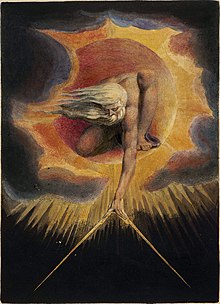
Under whose feet, subjected to His grace,
Sit nature, fortune, motion, time and place.From whence with grace and goodness compassed round,
This is the place, from whence like smoke and dust
He ruleth, blesseth, keepeth all he wrought,
Above the air, the fire, the sea and ground,
Our sense, our wit, our reason and our thought,
Where persons three, with power and glory crowned,
Are all one God, who made all things of naught,
Under whose feet, subjected to his grace,
Sit nature, fortune, motion, time and place.
Of this frail world the wealth, the pomp and power,
He tosseth, tumbleth, turneth as he lust,
And guides our life, our death, our end and hour:
No eye, however virtuous, pure and just,
Can view the brightness of that glorious bower,
On every side the blessed spirits be,
Equal in joys, though differing in degree.- Canto IX, stanzas 56–57 (tr. Edward Fairfax)
- Max Wickert's translation:
He sat where He gives laws both good and just
to all, and all creates, and all sets right,
above the low bounds of this world of dust,
beyond the reach of sense or reason's might;
enthroned upon Eternity, august,
He shines with three lights in a single light.
At His feet Fate and Nature humbly sit,
and Motion, and the Power that measures it,and Space, and Fate who like a powder will
all fame and gold and kingdoms here below,
as pleases Him on high, disperse or spill,
nor, goddess, cares she for our wrath or woe.
There He, enwrapped in His own splendour, still
blinds even worthiest vision with His glow.
All round Him throng immortals numberless,
unequally equal in their happiness.
_British_Museum.jpg)
- Risorgero nemico ognor piu crudo,
Cenere anco sepolto, e spirto ignudo!- I will rise again, a foe, fierce, bold,
Though dead, though slain, though burnt to ashes cold.- Canto IX, stanza 99 (tr. Fairfax)
- I will rise again, a foe, fierce, bold,
- Dagl'interni avoltoj, sdegno e dolore.
- Chè sovente addivien che 'l saggio e 'l forte
Fabbro a se stesso è di beata sorte.
- Egualmente apprestato ad ogni sorte,
Si prometta vittoria, e sprezzi morte.- Alike prepared for all fates, at each breath
assured of triumph and contemning death.- Canto X, stanza 38 (tr. Wickert)
- Alike prepared for all fates, at each breath
- Ch' era al cor picciol fallo amaro morso.
- For virtue is of little guilt ashamed.
- Canto X, stanza 59 (tr. Fairfax). Cf. Dante, Purgatorio 3.8–9.
- For virtue is of little guilt ashamed.

nor my poor mortal hands here work your cure.'
- Grida Erotimo allor: l'arte maestra
Te non risana, o la mortal mia destra.- Eròtimo cries: 'Not science (I am sure)
nor my poor mortal hands here work your cure.'- Canto XI, stanza 74 (tr. Wickert)
- Eròtimo cries: 'Not science (I am sure)
- Bruna e si, ma il bruno il bel non toglie.
- Black was this queen as jet, yet on her eyes
Sweet loveliness in black attired lies.- Canto XII, stanza 21 (tr. Fairfax)
- Black was this queen as jet, yet on her eyes
- E giungo ad un torrente, e riserrato
Quinci da i ladri son, quindi dal rio.- Soon, at a torrent's banks, I find its flood
blocks my advance while bandits follow me.- Canto XII, stanza 34 (tr. Wickert)
- Soon, at a torrent's banks, I find its flood

in his huge arms.
- Tre volte il Cavalier la donna stringe
Con le robuste braccia.- Three times the warrior has embraced the maid
in his huge arms.- Canto XII, stanza 57 (tr. Wickert)
- Three times the warrior has embraced the maid
- Seconda avversità, pietoso sdegno
Con leve sferza di lassù flagella
Tua folle colpa; e fa di tua salute
Te medesmo ministro.- With fortunate misfortune, kindly wrath,
Heaven's light lash now punishes your black
and foolish sin, and makes of your soul's weal
yourself the minister.- Canto XII, stanza 87 (tr. Wickert)
- With fortunate misfortune, kindly wrath,
- Lei nel partir, lei nel tornar del Sole
Chiama con voce stanca, e prega, e plora.- Till Phoebus' rising from his evening fall
To her, for her, he mourns, he calls, he cries.- Canto XII, stanza 90 (tr. Fairfax)
- Till Phoebus' rising from his evening fall
- Non dee guerra co'morti aver chi vive.
- With spirits dead why should men living fight?
- Canto XIII, stanza 39 (tr. Fairfax)
- With spirits dead why should men living fight?
- In che picciolo cerchio, e fra che nude
Solitudini è stretto il vostro fasto!
Lei, come isola, il mare intorno chiude;
E lui, ch'or Ocean chiamate or vasto,
Nulla eguale a tai nomi ha in sè di magno;
Ma è bassa palude, e breve stagno.- In what a narrow circuit, among what
abandoned solitudes your fame lies bound!
Amid vast seas your island earth is shut,
though "vast" or "ocean", or what words resound
to name that sea, are idle names and fond,
for what it is: a shallow bog, a pond.- Canto XIV, stanza 10 (tr. Wickert)
- In what a narrow circuit, among what
- La fama che invaghisce a un dolce suono
Voi superbi mortali, e par si bella,
E un'ecco, un sogno, anzi del sogno un'ombra,
Ch'ad ogni vento si dilegua e sgombra.- Fame, whose sweet voice whispers of phantom bliss
to you proud mortals, and who seems so fair,
is a mere echo, dream, dream lost in shade,
at every wind-puff scattered and unmade.- Canto XIV, stanza 63 (tr. Wickert)
- Fame, whose sweet voice whispers of phantom bliss

Their pride and pomp lies hid in sand and grass:
Then why should mortal man repine to die?
- Giace l'alta Cartago; appena i segni
Dell'alte sue ruine il lido serba.
Muojono le città, muojono i regni;
Copre i fasti e le pompe arena ed erba;
E l'uomo d'esser mortal par che si sdegni:
O nostra mente cupida e superba!- Great Carthage low in ashes cold doth lie,
Her ruins poor the herbs in height scant pass,
So cities fall, so perish kingdoms high,
Their pride and pomp lies hid in sand and grass:
Then why should mortal man repine to die,
Whose life, is air; breath, wind; and body, glass?- Canto XV, stanza 20 (tr. Fairfax)
- Max Wickert's translation:
- Exalted Carthage lies full low. The signs
of her great ruin fade upon the strand.
So dies each city, so each realm declines,
its pomp and glory lost in scrub and sand,
and mortal man to see it sighs and pines.
(Ah, greed and pride! when will you understand?)
- Exalted Carthage lies full low. The signs
- Great Carthage low in ashes cold doth lie,
Ecco altre isole insieme, altre pendíci
Scoprian alfin men erte ed elevate.
Ed eran queste l'isole felici;
Così le nominò la prisca etate,
A cui tanto stimava i Cieli amici,
Che credea volontarie, e non arate
Quì partorir le terre, e in più graditi
Frutti, non culte, germogliar le viti.Quì non fallaci mai fiorir gli olivi,
E 'l mel dicea stillar dall'elci cave:
E scender giù da lor montagne i rivi
Con acque dolci, e mormorio soave:
E zefiri e rugiade i raggj estivi
Temprarvi sì, che nullo ardor v'è grave:
E quì gli Elisj campi, e le famose
Stanze delle beate anime pose.About the hill lay other islands small,
Where other rocks, crags, cliffs, and mountains stood,
The Isles Fortunate these elder time did call,
To which high Heaven they reigned so kind and good,
And of his blessings rich so liberal,
That without tillage earth gives corn for food,
And grapes that swell with sweet and precious wine
There without pruning yields the fertile vine.The olive fat there ever buds and flowers,
The honey-drops from hollow oaks distil,
The falling brook her silver streams downpours
With gentle murmur from their native hill,
The western blast tempereth with dews and showers
The sunny rays, lest heat the blossoms kill,
The fields Elysian, as fond heathen sain,
Were there, where souls of men in bliss remain.- Canto XV, stanzas 35–36 (tr. Fairfax)
- E con ben mille
Zampilletti spruzzar l'erba di stille.- And on the flowers
The plenteous spring a thousand streams down pours.- Canto XV, stanza 55 (tr. Fairfax)
- And on the flowers
- L'arte, che tutto fa, nulla si scopre.
- Art, that does all things, never herself displays.
- Canto XVI, stanza 9 (tr. T. B. Harbottle). Cf. Ovid, Ars Amatoria, 2.313.
- Art, that does all things, never herself displays.
Deh mira (egli cantò) spuntar la rosa
Dal verde suo modesta e verginella;
Che mezzo aperta ancora, e mezzo ascosa,
Quanto si mostra men, tanto è più bella.
Ecco poi nudo il sen già baldanzosa
Dispiega: ecco poi langue, e non par quella,
Quella non par che desiata innanti
Fu da mille donzelle e mille amanti.Così trapassa al trapassar d'un giorno
Della vita mortale il fiore, e 'l verde:
Nè, perchè faccia indietro April ritorno,
Si rinfiora ella mai, nè si rinverde.'Ah, see,' he sang, 'the shamefast, virgin rose
So passes in the passing of a day
first bursting her green bud so timidly,
half hidden and half bare: the less she shows
herself, the lovelier she seems to be.
Now see her bosom, budding still, unclose
and look! She droops, and seems no longer she—
not she who in her morning set afire
a thousand lads and maidens with desire.
the leaf and flower from our mortal scene,
nor will, though April come again, display
its bloom again, nor evermore grow green.'- Canto XVI, stanzas 14–15 (tr. Wickert)

Loving, be loved; embracing, be embraced.
- Cogliam d'Amor la rosa: amiamo or quando
Esser si puote riamato amando.- Gather the rose of love, while yet thou mayest,
Loving, be loved; embracing, be embraced.- Canto XVI, stanza 15 (tr. Fairfax)
- Compare:
- Gather the Rose of Love, whilst yet is time,
Whilst loving thou mayst loved be with equal crime.- Edmund Spenser, The Faerie Queene, B. II, C. XII, st. 75
- Gather ye rosebuds while ye may.
- Gather the Rose of Love, whilst yet is time,
- Gather the rose of love, while yet thou mayest,
- Ride Armida a quel dir: ma non che cesse
Dal vagheggiarsi, o da' suoi bei lavori.
Poichè intrecciò le chiome, e che ripresse
Con ordin vago i lor lascivi errori,
Torse in anella i crin minuti, e in esse,
Quasi smalto su l'or, consparse i fiori:
E nel bel sen le peregrine rose
Giunse ai nativi giglj, e 'l vel compose.- Armida smiles to hear, but keeps her gaze
fixed on herself, love's labours to behold.
Her locks she braided and their wanton ways
in lovely order marshalled and controlled.
She wound the curls of her fine strands with sprays
of flowers, like enamel worked on gold,
and made the stranger rose join with her pale
breast's native lily, and composed her veil.- Canto XVI, stanza 23 (tr. Wickert)
- Armida smiles to hear, but keeps her gaze

leave me alone here?' Pain choked off her cry,
and in her heart the plaintive words began
to echo in a yet more bitter sigh.
- Volea gridar: dove, o crudel, me sola
Lasci? ma il varco al suon chiuse il dolore:
Sicchè tornò la flebile parola
Più amara indietro a rimbombar sul core.- She tried to cry out: 'Will you, cruel man,
leave me alone here?' Pain choked off her cry,
and in her heart the plaintive words began
to echo in a yet more bitter sigh.- Canto XVI, stanza 36 (tr. Wickert)
- She tried to cry out: 'Will you, cruel man,
- Amo d' esser amata, odio gli amanti.
- Lovers she hated, though she loved their love.
- Canto XVI, stanza 38 (tr. T. B. Harbottle)
- Lovers she hated, though she loved their love.
- Audace si, ma cautamente audace.
- Bold, but cautiously bold.
- Canto XVIII, stanza 57
- Bold, but cautiously bold.
- Vantomi in lui scoprir gl'intimi sensi,
E i secreti pensier trargli del petto.- I'll know his inmost aims and (doubt me not)
extract the guarded mysteries of his mind.- Canto XVIII, stanza 59 (tr. Wickert)
- I'll know his inmost aims and (doubt me not)
- Lo schermitor vinto è di schermo.
- The craftsman is in his own craft beguiled.
- Canto XIX, stanza 14 (tr. Fairfax)
- The craftsman is in his own craft beguiled.
- Femina è cosa garrula e fallace:
Vuole e disvuole; è folle uom che sen fida.- Women have tongues of craft, and hearts of guile,
They will, they will not; fools that on them trust.- Canto XIX, stanza 84 (tr. Fairfax)
- Women have tongues of craft, and hearts of guile,
- Qual vento a cui s'oppone o selva o colle,
Doppia nella contesa i soffj e l'ira;
Ma con fiato più placido e più molle
Per le campagne libere poi spira.
Come fra scoglj il mar spuma e ribolle:
E nell'aperto onde più chete aggira.
Così quanto contrasto avea men saldo,
Tanto scemava il suo furor Rinaldo.- Like as the wind, stopped by some wood or hill,
Grows strong and fierce, tears boughs and trees in twain,
But with mild blasts, more temperate, gentle, still,
Blows through the ample field or spacious plain;
Against the rocks as sea-waves murmur shrill,
But silent pass amid the open main:
Rinaldo so, when none his force withstood,
Assuaged his fury, calmed his angry mood.- Canto XX, stanza 58 (tr. Fairfax)
- Like as the wind, stopped by some wood or hill,
- La via d'onor della salute è via.
- The way to honor, way to safety is.
- Canto XX, stanza 110 (tr. Fairfax)
- The way to honor, way to safety is.
Misattributed[edit]
- Fortune rarely accompanies anyone to the door.
- This is sometimes said to be by Torquato Tasso, and sometimes to be a quotation from Goethe's verse play Torquato Tasso, but it is from Joseph Jacobs' translation of Baltasar Gracián's Oráculo manual y arte de prudencia , maxim no. 59. In the original Spanish: Pocas veces acompaña la dicha a los que salen.
- It is the fortunate who should extol fortune.
- Though attributed to Tasso this is in fact from Goethe's Torquato Tasso, Act II, scene iii, line 115. In the original German: Das Glück erhebe billig der Beglückte!
- The day of fortune is like a harvest day,
We must be busy when the corn is ripe.- Actually from Goethe's Torquato Tasso, Act IV, scene iv, line 63. In the original German:
- Ein Tag der Gunst ist wie ein Tag der Ernte:
Man muss geschäftig sein, sobald sie reift.
- Ein Tag der Gunst ist wie ein Tag der Ernte:
- Actually from Goethe's Torquato Tasso, Act IV, scene iv, line 63. In the original German:
Quotes about Tasso[edit]
- Whoever has a relish for the beauty, the art, the interest of a poetic composition, for richness of detail, for truth of character, for generosity of sentiment, should make the Jerusalem Delivered his favourite study. It is in a particular manner the poem of the soldier: it breathes valour and glory, and, as I have elsewhere observed, it seems to have been written upon a buckler in the midst of camps.
- François-René de Chateaubriand, Itinéraire de Paris à Jérusalem (1811), translated into English by Frederic Shoberl: Travels in Greece, Palestine, Egypt, and Barbary, Vol. II (1812), pp. 169–170.
- The most excellent of modern poets, ... whom I reverence next to Virgil.
- John Dryden, Preface to An Evening's Love, or The Mock-Astrologer (1668)
- I found that I had an affinity with writers like Ariosto and Tasso, at least to the extent of loving their poetry. (“Those allegories of Ariosto and Tasso were in some ways very futuristic with those fantastic voyages-they were almost like science fiction without the science.”) Of course they didn't really have science to use. But they had a similarly disciplined imagination.
- 1982 interview in Conversations with Ursula Le Guin
- No man in the world was ever born with a greater genius and more qualified for epic poetry.
- Voltaire, An Essay on Epic Poetry (1727)
References[edit]
- Jerusalem Delivered, trans. Edward Fairfax (1600)
- Dictionary of Quotations (French and Italian), ed. Thomas Benfield Harbottle and Philip Hugh Dalbiac (New York: The Macmillan Co., 1904)
- Jerusalem Delivered, trans. Anthony M. Esolen (Baltimore and London: JHU Press, 2000), ISBN 978-0801863233
- The Liberation of Jerusalem, trans. Max Wickert (Oxford: OUP Oxford, 2009), ISBN 978-0191609015
External links[edit]

 Encyclopedic article on Torquato Tasso on Wikipedia
- Works by Torquato Tasso at Project Gutenberg
